Quality Inexpensive Lenses: User Intent and Finding the Balance
When searching for eyeglasses, users aren't just typing "cheap glasses" anymore. They are performing more nuanced searches, reflecting a key user intent: finding a balance between cost and quality. People need vision correction, but they also need assurance that their affordable choice won't compromise their eye health or visual clarity. This involves significant research and comparison in 2025.
Finding Reliable Information for Affordable Eyeglasses
One primary user need revolves around gathering crucial information. People ask: "Where can I find cheap but good quality lenses for glasses?" and "Are cheap lenses for glasses harmful to your eyes?". They want to understand the potential risks associated with poorly made lenses and how to identify options that offer necessary protection, like UV blocking. Learning how to choose inexpensive lenses for glasses with UV protection is a top priority.
Understanding different lens technologies is also part of this research. For example, knowing how transition lens glasses work and if affordable versions are reliable is valuable information. Users are actively seeking detailed guides and expert opinions before making a purchase.
Exploring Your Options for Budget Eyewear
Beyond just gathering information, users engage in commercial investigation. They want to compare various brands and online glasses retailers to find the best deals without sacrificing lens quality. This includes looking into the price range for inexpensive lenses for glasses, which can vary widely depending on the retailer, lens material, and coatings.
Searches often become more specific, such as looking for inexpensive progressive lenses for glasses. These more complex prescriptions require careful comparison to ensure both affordability and optical precision. Users are exploring different platforms to understand what is available and at what price point. Finding a wide selection of inexpensive lenses for glasses on a reliable platform is a key goal during this stage of the search.
Smart Shopping Tips for Eyeglasses Online
Users are also seeking practical advice. This covers topics like selecting sunglasses and understanding the importance of UV protection for lenses. They need tips on how to maintain their eye health while wearing glasses and what specific features to look for when buying glasses online. This includes understanding return policies, warranty options, and customer reviews to gauge the quality of the optical lenses and services offered by budget retailers. Armed with practical tips, shoppers can navigate the vast online market more confidently to find suitable prescription lenses.
inexpensive lenses for glasses
Navigating the World of Budget-Friendly Lenses
:max_bytes(150000):strip_icc()/reading-glasses-3421913-color1-fa7208ea8c34404bb3a7dbdd17042d26.jpg)
Finding affordable eyewear that meets your vision needs doesn't have to mean compromising on quality. In 2025, there are more options than ever for getting inexpensive lenses for glasses without sacrificing essential features. The key is knowing what to look for and where to look.
This guide helps you understand the critical aspects of budget lenses, addressing common concerns and providing practical tips. It's all about making informed decisions to protect your eye health while managing your budget effectively.
What to Look for in Inexpensive Lenses (quality of cheap glasses lenses)
When searching for inexpensive lenses for glasses, quality is a primary concern. People often wonder if cheap lenses for glasses can truly provide adequate vision correction and protection. The answer is yes, but you need to pay close attention to specific details beyond just the price tag. Understanding lens materials and essential coatings is crucial.
Material Matters for Affordable Lenses
The material used for your inexpensive lenses for glasses significantly impacts their durability, weight, and safety. Polycarbonate lenses are an excellent choice for budget-conscious shoppers. They are highly durable and shatterproof, making them ideal for everyday wear and especially good for children's glasses or active individuals. Even basic lenses should offer a degree of scratch resistance to prolong their lifespan. For those with stronger prescriptions, considering the lens index is important. A higher index number means the lens material bends light more efficiently, allowing for thinner options that are lighter and more aesthetically pleasing, even for inexpensive lenses.
Essential Coatings for Budget Lenses
Beyond the lens material, specific coatings are non-negotiable, even for cheap glasses lenses. UV protection is a must-have to prevent long-term eye damage from the sun's harmful rays. Ensure the UV protection for lenses is 100% or UV400. An anti-reflective coating is also highly recommended. It reduces distracting glare from screens and lights, improving visual comfort. Finally, a good scratch-resistant coating helps protect your investment and extends lens life, keeping your inexpensive lenses clear and functional for longer.
Debunking Myths About Cheap Lenses
There are many misconceptions surrounding cheap lenses for glasses. A common one is that a low price automatically equates to poor quality or insufficient protection. In 2025, this simply isn't true across the board. Understanding where cost savings come from and what essential features to prioritize helps navigate these myths.
Price Doesn't Always Equal Quality Lenses
It's a myth that expensive frames automatically guarantee better UV protection or superior lens tech. Often, the high price of designer eyewear is tied more to the brand name and frame design than the actual optical quality of the prescription lenses. Many budget brands prioritize investing in quality lens technology and protection because they understand the core need is vision correction and eye safety. Always read labels or product descriptions carefully to ensure UV400 or 100% UV protection, regardless of how much the glasses cost. Focus on the lens specifications, not just the brand name on the frame.
Online vs. In-Store: What's the Difference? (are online glasses good)
Another common question is about buying online glasses versus shopping in-store. Many wonder, "are online glasses good?" Online retailers often have significantly lower overhead costs compared to brick-and-mortar stores, which allows them to offer inexpensive lenses for glasses at lower prices. While in-store provides the benefit of personalized fitting and adjustments by a professional, online platforms offer convenience and a vast selection. Reputable online retailers often provide detailed measurement guides and good return policies. Some companies are even offering hybrid models where you can order online but get fitting and adjustments at a partner location. Exploring different online options can reveal great value. For instance, many people find quality and value when looking at eye glasses zenni and other online providers. Finding the best online glasses source depends on your needs for convenience, service, and budget.
To start exploring a range of options that fit your budget and vision needs, check out this selection of inexpensive lenses for glasses.
Top Retailers for Inexpensive Lenses for Glasses

Finding inexpensive lenses for glasses doesn't limit you to just one type of shopping experience in 2025. Both online and traditional in-store options offer competitive pricing on prescription lenses and can help you manage the cost of glasses. Knowing the strengths of each can help you find the best place to buy glasses based on your budget and preferences. These are some of the top online glasses retailers and brick-and-mortar stores known for providing budget eyewear options.
Online Options: Convenience and Savings
Purchasing online glasses is a popular method in 2025 for finding cheap lenses for glasses. Online retailers typically benefit from lower overhead costs, allowing them to pass those savings onto the customer. This often translates into significantly lower prices for inexpensive lenses for glasses compared to traditional optical shops. They also offer immense convenience, allowing you to shop from home at any time.
Zenni Optical (Budget Eyewear)
Zenni Optical is a well-known name in the online glasses market, specializing in budget eyewear. They are famous for offering single-vision glasses starting at remarkably low prices, often under $10 for basic lenses and frames in 2025. Despite the cheap lenses, they typically include essential features like UV protection and offer various basic coatings at affordable add-on prices. Their website includes tools like a virtual try-on tool, which helps customers visualize how frames might look before purchasing their inexpensive lenses.
EyeBuyDirect (Budget Eyewear)
EyeBuyDirect is another strong contender for inexpensive lenses for glasses online. They offer a wide selection of frames, with some starting as low as $6, making the overall cost of glasses very manageable. This online retailer frequently runs enticing BOGO deals (Buy One Get One Free), allowing you to get a backup pair or sunglasses with prescription lenses without a significant extra price. They also stand behind their products with a one-year warranty, providing reassurance when buying cheap lenses for glasses.
GlassesUSA (Budget Eyewear)
GlassesUSA provides a broad selection of frames and prescription lenses catering to various budgets. While they offer designer options, they are also a great source for inexpensive lenses for glasses thanks to frequent promotions. In 2025, they often run site-wide discounts, sometimes offering 40% off, making even more advanced lens tech affordable. They also feature Buy One Get One Free promotions, similar to other online glasses retailers, helping customers save significantly on multiple pairs.
Payne Glasses (Budget Eyewear)
Payne Glasses focuses on offering frames at factory prices, which can start as low as $5.95. This direct-from-manufacturer approach significantly reduces the cost of glasses, making their inexpensive lenses for glasses even more accessible when paired with their affordable frames. While the focus is on low prices, customers can still add necessary coatings and upgrades to their prescription lenses. For those seeking both inexpensive lenses and extremely budget-friendly frames, exploring options like prescription glasses frames mens might be beneficial to understand the range available.
In-Store Options: Personalized Service
While online glasses offer significant savings on inexpensive lenses for glasses, some people prefer the traditional in-store experience. Shopping in-store provides the benefit of professional guidance from opticians, personalized fitting and adjustments, and the ability to see and feel the frames and prescription lenses in person. Some retailers offer budget eyewear options within their physical locations.
Costco Optical
Costco Optical is a popular choice for finding inexpensive lenses for glasses if you have a membership. They offer competitive pricing on prescription lenses and frames, often significantly lower prices than independent optical shops. Costco provides the convenience of having in-store optometrists in many locations, allowing for eye exams and immediate consultation about your prescription lenses needs. They also accept vision insurance, which can further reduce the cost of glasses and inexpensive lenses.
Sam’s Club Optical
Similar to Costco, Sam’s Club Optical provides budget eyewear options to its members. They offer various types of prescription lenses and frames at lower prices compared to many retail optical centers. Having in-store optometrists available is a key benefit, offering professional advice and assistance with selecting the right inexpensive lenses for glasses. Members with a Plus membership often receive additional discounts, making the cost of glasses even more affordable.
To compare prices and features from a wide range of providers offering affordable and high-quality lenses, explore options for inexpensive lenses for glasses. This link can help you find retailers mentioned here and discover others that fit your specific needs and budget.
Potential Risks of Cheap Lenses and How to Avoid Them

While finding inexpensive lenses for glasses is great for your budget in 2025, it's crucial to be aware of potential risks associated with extremely cheap lenses. Not all affordable options are created equal. Some can compromise your optical health and vision quality. Understanding these dangers helps you make smart choices when buying prescription lenses or sunglasses.
Understanding the Risks of Ultra-Cheap Lenses for Sunglasses
When you're looking for budget eyewear, especially sunglasses, the lowest price isn't always the best. Ultra-cheap sunglasses, often found in non-optical retail stores, can pose hidden dangers to your eyes. These risks primarily stem from inadequate protection and poor manufacturing quality.
UV Damage is a Real Threat to Optical Health
A significant danger of unverified cheap sunglasses is the lack of adequate UV protection. Many assume a dark tint means protection, but this is a dangerous misconception in 2025. The tint only reduces brightness. Without proper UV filtering, your pupils dilate behind the dark lenses, allowing more harmful ultraviolet rays to enter your eyes.
Prolonged exposure to UV radiation from the sun can lead to serious, long-term optical health problems. Conditions like cataracts (clouding of the eye's lens) and macular degeneration (damage to the central part of the retina) are strongly linked to cumulative UV exposure over time. Investing in inexpensive lenses with certified UV protection is essential for preventing these issues.
Material and Manufacturing Concerns
Beyond UV, the quality of the materials and the manufacturing process are vital for prescription lenses and sunglasses. Low-quality materials used in cheap lenses can result in distorted vision. These distortions might be subtle at first but can lead to eye strain and headaches over time as your eyes struggle to compensate.
Poorly made lenses often lack uniform thickness or consistency. This can cause visual discomfort and fatigue. While focusing on lens quality is key, choosing the right frame is also important for comfort and style, such as exploring options in men's glasses fashion. Ensure the entire product, including both frames and prescription lenses, meets basic quality standards. Cheap frames made from flimsy materials can also break easily, potentially causing eye injury if the frame or lens shatters.
Smart Shopping Strategies for Eye Health with Inexpensive Lenses
Finding inexpensive lenses for glasses that are also safe requires knowing what to look for. You don't have to break the bank to protect your optical health. By adopting smart shopping strategies, you can find budget eyewear that offers both affordability and essential protection in 2025.
Always Check for UV400 or 100% UV Protection
The most critical step when buying sunglasses or prescription lenses with sun protection is verifying their UV protection level. Look specifically for labels, stickers, or tags that state "UV400" or "100% UV protection". These indicate that the lenses block nearly 100% of harmful UVA and UVB rays up to 400 nanometers, which is the standard recommended level.
If you purchase glasses that claim UV protection but you are unsure or want added peace of mind, you can often get the lenses tested. Many optical shops have a simple UV meter that can quickly confirm the level of protection your inexpensive lenses provide. Don't assume protection based solely on the tint or price.
Inspect Lenses Carefully Before Buying
Before purchasing any prescription lenses or sunglasses, take the time to physically inspect them. Look for any visible scratches, bubbles, or imperfections in the lens material. These flaws can affect clarity and potentially cause eye strain.
Hold the glasses up and look through the lenses at a straight line (like a door frame or wall edge). Move the glasses slowly up and down and side to side. If the straight line appears wavy, distorted, or bent, the lenses likely have optical distortions and should be avoided. Ensure the lenses are uniform in color and clarity across the entire surface.
Consider Polarization for Enhanced Clarity
While not strictly for eye protection, considering polarization can significantly enhance your visual comfort and clarity, especially outdoors. Polarized lenses contain a special filter that blocks reflected light, which is the cause of dazzling glare from surfaces like water, snow, roads, or car hoods.
This reduction in glare makes polarized lenses particularly useful for activities like driving, fishing, skiing, or spending time on the water. While polarized options might add slightly to the cost of glasses compared to basic tinted lenses, they are available in the inexpensive lenses market and offer a noticeable improvement in visual comfort.
Prioritize Regular Eye Exams
Regardless of where you buy your inexpensive lenses or how well you protect your eyes from UV, regular eye exams are fundamental to maintaining good optical health. Comprehensive eye exams can detect subtle changes in your vision, identify potential vision problems or diseases early on, and ensure your prescription is always accurate.
Wearing prescription lenses that are not up-to-date can lead to eye strain and headaches. An annual or biannual eye exam provides an opportunity to update your prescription, get professional advice on the best lenses for your needs, and discuss any concerns you have about your optical health. It's an investment in long-term vision wellness.
To explore a wide selection of affordable and safe eyewear options, including various types of lenses and frames, you can find more information on inexpensive lenses for glasses. This resource helps you compare features and prices from reputable providers.
Making the Right Choice for Your Eyes and Wallet
Finding inexpensive lenses for glasses in 2025 shouldn't mean compromising your optical health. Once you understand the potential risks of extremely cheap lenses, as discussed previously, the next step is to make an informed decision. This involves carefully considering your specific needs and leveraging smart shopping strategies. By doing so, you can protect your vision while staying within your budget.
Assessing Your Needs and Priorities
Before you start searching for budget eyewear, take a moment to evaluate what you truly need from your new glasses. This isn't just about finding the lowest price, but finding the best value that meets your unique vision requirements and lifestyle. Understanding your priorities helps narrow down your options and avoid unnecessary features or, worse, insufficient ones.
Prescription Requirements for Your Lenses
Your prescription is the most important factor when choosing lenses for your eyeglasses. It dictates the type of lens you need and potentially the material or thickness.
Are you looking for single vision lenses (for distance or reading), bifocals (with a visible line for distance and reading), or progressive lenses (seamless multifocal correction)? Progressive lenses tend to be more complex and thus potentially more expensive, even in the inexpensive range.
For stronger prescriptions, you might need a higher lens index. High-index lenses are thinner and lighter than standard lenses, improving both comfort and aesthetics, especially in thicker frames. While potentially adding to the cost of glasses, a higher index can be a necessary investment for clear, comfortable vision.
Lifestyle Considerations for Eyewear
Your daily activities play a significant role in determining the best lenses and frames for you. Do you lead an active lifestyle? If so, you might need durable frames and impact-resistant lenses that can withstand bumps and drops. A secure fit is also paramount.
Are you spending long hours in front of computer screens? Consider lenses with blue light protection. These lenses filter out a portion of the blue light emitted by digital devices, which some studies suggest may contribute to eye strain and sleep disruption. Understanding blue light lenses cost relative to their potential benefits can help you decide if this feature is worthwhile for your daily computer use.
If you spend a lot of time outdoors, especially in bright conditions, prioritizing robust UV protection is critical, as previously discussed regarding risks. Polarized lenses are also highly beneficial for outdoor activities like driving, fishing, or skiing, as they drastically reduce dazzling glare. While they might slightly increase the price, many inexpensive options now offer polarization.
Style Preferences for Your Budget Eyewear
While functionality is key, you also want your glasses to look good! Budget eyewear doesn't mean you have to sacrifice style. Consider your personal aesthetic when choosing the frame shape, color, and material.
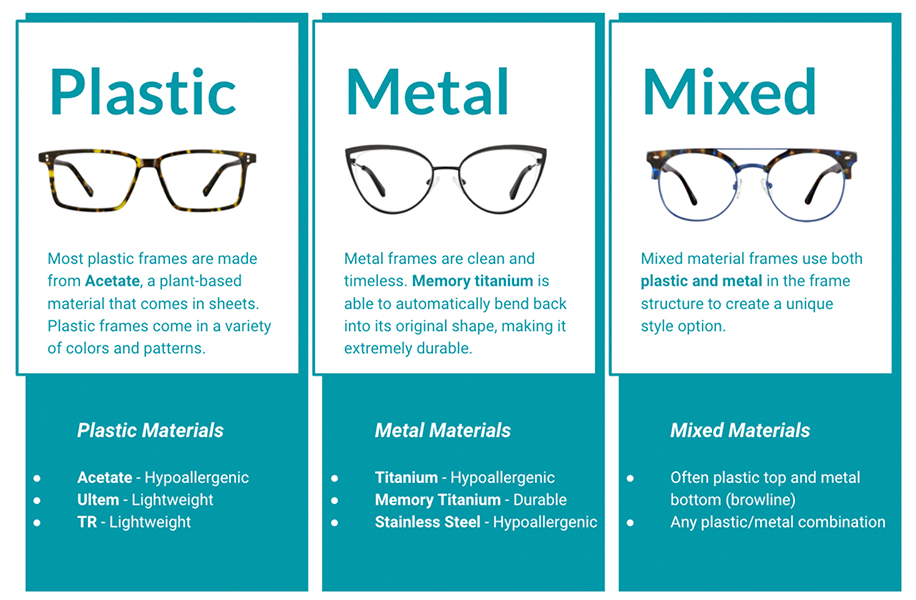
Think about what frame styles complement your face shape. Explore different materials like acetate, metal, or even lightweight titanium (though titanium can increase the cost of glasses). Many online retailers offering inexpensive lenses provide virtual try-on tools or guides on selecting frames based on face shape. Finding stylish options is easy if you know where to look, for instance, exploring various designs when you look for cheap spectacles on line.
Final Tips for Savvy Eyewear Shopping
Navigating the world of inexpensive lenses for glasses requires a strategic approach. To ensure you get quality eyewear that meets your vision needs without overspending in 2025, keep these final tips in mind. They can help you find the best value and avoid potential pitfalls.
Take Advantage of Home Try-On Programs
Many online eyewear retailers, such as popular ones like Warby Parker and others, offer free or low-cost home try-on programs. This allows you to select several frames to be shipped to your home so you can try them on, see how they look, and check for fit and comfort in person.
This is an invaluable tool, especially when buying prescription lenses online, as it helps ensure the frames are a good match for your face and your prescription can be properly fitted into them before you commit to the final purchase of your inexpensive lenses.
Read Reviews and Compare Prices for Budget Eyewear
Research is your friend when shopping for budget eyewear. Don't just click on the first cheap option you see. Take the time to read reviews from other customers about the specific brand, retailer, and even the particular lenses or frames you are considering. Look for feedback on lens quality, accuracy of prescription, customer service, and durability.
Compare prices across different retailers for similar types of lenses and frames. Also, keep an eye out for ongoing deals, discounts, or coupon codes that can further reduce the cost of glasses. This comparison helps you find the best value for your inexpensive lenses.
Don't Hesitate to Ask Questions
Reputable retailers, even those offering inexpensive lenses, should have accessible customer service. If you have any doubts or need clarification about lens materials, available coatings (like anti-reflective or scratch-resistant), return policies, or warranty information, reach out and ask questions.
Understanding exactly what you are getting, the quality of the lenses, and the coverage provided gives you peace of mind and helps you make an informed decision about your eyewear.
Utilize FSA/HSA Accounts for Budget Eyewear
If you have a Flexible Spending Account (FSA) or Health Savings Account (HSA), remember that prescription glasses, including both frames and lenses, are typically eligible expenses. This can significantly reduce your out-of-pocket cost for inexpensive lenses and frames.
Many online eyewear retailers accept FSA/HSA payments directly, making the process simple. Utilizing these accounts is a smart financial strategy for purchasing your budget eyewear in 2025.
For those looking to compare a variety of affordable and safe eyewear options, including finding inexpensive lenses for glasses that suit different prescription and style needs, exploring options from reputable providers is key. You can find a selection designed to meet diverse requirements by visiting inexpensive lenses for glasses. This resource provides a starting point to compare specifications and find eyewear that balances cost with quality.
Understanding Your Vision Needs and Budget
Finding inexpensive lenses for glasses requires a clear understanding of what your eyes need and how much you are prepared to spend. It's about balancing your prescription requirements and daily activities with your financial limits to find the best value in 2025. This strategic approach ensures you don't compromise vision quality for price.
Defining Your Prescription and Lifestyle
Before you start browsing options for budget eyewear, the first crucial step is to accurately define your specific visual requirements. This involves understanding your current prescription and considering how you use your eyes throughout the day.
Importance of an Updated Prescription
Your prescription is the foundation of your new glasses. It specifies the necessary lens power to correct your vision for optimal clarity. Using an outdated prescription can lead to discomfort, eye strain, headaches, and ultimately, blurry vision, even with high-quality lenses.
Ensure you have visited an eye care professional recently (within the last year or two, depending on your age and vision health) to get an accurate and up-to-date prescription. This is non-negotiable when seeking inexpensive lenses for glasses that actually work for you.
Identifying Vision Correction Needs: Single Vision, Progressive Lenses, Astigmatism
Understanding your prescription goes beyond just the numbers. Are you nearsighted (myopia), farsighted (hyperopia), or do you have presbyopia? Your prescription will determine if you need single vision lenses for correcting distance or reading only, bifocal lenses with two distinct powers, or progressive lenses which offer a seamless transition between distance, intermediate, and reading vision. Progressive lenses are typically more complex and thus can be a higher cost upfront, even in the inexpensive category. If your prescription includes astigmatism, you'll need special lenses that correct for the irregular shape of your cornea or lens. Understanding the specifics, like when you need astigmatism spectacles, is key to choosing the right lens type. For detailed information on astigmatism correction and different spectacle options, you might find this guide helpful: astigmatism spectacles.
Lifestyle Considerations: Computer Use, Driving, Sports
Your daily routine significantly impacts which lens features are most important for you. If you spend many hours in front of a computer screen, blue light filtering lenses might be a valuable addition to your inexpensive lenses. These lenses are designed to reduce exposure to potentially harmful blue light from digital devices.
Frequent driving, especially at night or in bright sun, calls for lenses that reduce glare. Anti-reflective coatings improve vision clarity by minimizing reflections off the lens surface. For daytime driving or outdoor activities, polarized lenses are excellent for cutting intense glare from surfaces like roads or water, enhancing safety and comfort.
If you engage in sports or activities where your glasses might be subject to impact, impact-resistant lens materials like polycarbonate or Trivex are essential for safety. While these materials might slightly increase the cost, they offer crucial protection for your eyes. Balancing these lifestyle needs with the goal of finding inexpensive lenses for glasses is vital for effective eyewear.
Setting a Realistic Budget for Eyeglasses
Once you know your vision needs and lifestyle demands, the next practical step in finding inexpensive lenses for glasses is determining how much you can realistically spend. A budget helps you manage expectations and focus your search effectively in 2025.
Average Cost of Eyeglasses and How Insurance Impacts It
The cost of eyeglasses can vary widely depending on factors like your prescription complexity, chosen lens materials and coatings, frame style, and where you purchase them. On average, a pair of glasses can range from under $100 to well over $500 or even $1000. Inexpensive lenses typically fall on the lower end of this spectrum, but the overall eyewear cost includes the frames as well.
Your vision care insurance plan can significantly impact your out-of-pocket expenses. Many plans offer an allowance for frames and lenses or provide discounts with in-network providers. Understand your specific insurance benefits for eyeglasses before you shop, as this can make even seemingly more expensive options surprisingly affordable, or highlight where the true value lies in inexpensive lenses.
Identifying "Needs" vs. "Wants" in Lens Features (Eyeglasses, Vision Care, Eyewear Cost)
To stick to a budget while finding effective inexpensive lenses for glasses, differentiate between essential lens features and desirable add-ons. Features required by your prescription (like high index for strong corrections or specific lens designs for astigmatism) are needs. Features like anti-reflective coating, scratch resistance, UV protection, or blue light filtering might be wants depending on your lifestyle and perceived value.
Prioritize the lens features that directly address your vision needs and safety first. Then, see which of the 'want' features fit within your remaining budget for the eyewear cost. Many retailers offering inexpensive lenses now include essential coatings like scratch resistance and UV protection as standard, providing better value than in the past.
Considering Long-Term Value vs. Initial Price
While the initial price of inexpensive lenses is appealing, consider the long-term value they offer. Extremely cheap lenses or frames might wear out quickly, require frequent adjustments, or not provide optimal vision correction, leading to additional costs or discomfort down the line.
Investing slightly more in durable frames or lenses with robust coatings (like good scratch resistance) might prove more cost-effective in the long run. Look for eyewear that offers a balance between affordability and reasonable quality and durability to ensure your inexpensive lenses are a smart purchase for your vision care over time.
Finding inexpensive lenses for glasses that truly meet your vision needs and lifestyle while staying within your budget is achievable with careful planning. It involves getting an updated prescription, understanding lens types and features, accounting for your daily activities, and setting a realistic financial expectation. Exploring options from various providers allows you to compare specifications and costs effectively. To start comparing a range of inexpensive lens options for different prescriptions and frame styles in 2025, consider browsing available selections that prioritize value and quality for your eyewear needs: affordable prescription lenses.
Exploring Inexpensive Lens Materials
After understanding your specific vision requirements and setting a realistic budget, the next critical step in finding inexpensive lenses for glasses is to explore the different materials available. The lens material significantly impacts the overall cost, durability, weight, and optical clarity of your eyewear. Choosing the right material is key to balancing performance and affordability in 2025.
Comparing Common Lens Materials: Pros and Cons
Different lens materials offer varying levels of performance and come with different price tags. Understanding their properties helps you select the best option that fits your prescription, lifestyle, and pursuit of inexpensive lenses.
CR-39 (Standard Plastic)
CR-39 lenses are the most traditional and typically the most affordable option available. They are made from a plastic polymer and have been used for decades.
The primary advantage of CR-39 is its cost. It's often the base material included in inexpensive glasses. However, CR-39 is relatively thick, especially for higher prescriptions. This can result in lenses that protrude from the frames and add noticeable weight.
CR-39 also has lower impact resistance compared to other plastics, making it less suitable for children, active individuals, or certain safety eyewear. While a scratch-resistant coating is highly recommended (and often standard now), the underlying material is not inherently as durable against scratches as some alternatives.
Polycarbonate
Polycarbonate lenses became popular due to their exceptional impact resistance. This makes them an excellent choice for safety glasses, sports eyewear, and children's glasses. They are significantly tougher than CR-39.
Polycarbonate is also thinner and lighter than CR-39 for the same prescription, offering better comfort and aesthetics, particularly for higher powers. This can make them a good choice when looking for prescription glasses frames mens that are lighter or for styles that use minimal frames like drill mounts. For more on how lens material impacts frame choice, especially for men's styles, check out this guide: prescription glasses frames mens.
While polycarbonate offers great protection, its optical clarity is slightly lower than CR-39 or Trivex, though most wearers don't notice the difference. Polycarbonate lenses are generally more expensive than CR-39 but still fall within the inexpensive lenses category for many retailers, especially considering their benefits. They are also naturally effective at blocking UV rays.
Trivex
Trivex is a newer lens material that shares many benefits with polycarbonate. Like polycarbonate, Trivex offers excellent impact resistance, making it a safe choice. It is also very lightweight.
Where Trivex often surpasses polycarbonate is in optical clarity. It typically provides sharper vision than polycarbonate, comparable to or even exceeding CR-39. This combination of safety and clarity makes it a premium option within the plastic lens family.
However, Trivex is generally the most expensive of the standard plastic options (CR-39, Polycarbonate, Trivex). While it might not always fit into the absolute lowest budget for inexpensive lenses, its superior clarity and impact resistance can offer significant value for those who prioritize these features.
High-Index Lenses
High-index lenses are designed for people with stronger prescriptions who want thinner and lighter lenses. The "index" refers to the material's ability to bend light. A higher index number means the material bends light more efficiently, requiring less material thickness to achieve the same lens power.
Benefits include significantly reduced thickness and weight, which improves comfort and aesthetics, especially for high prescription numbers where standard materials would be very thick and heavy. This is particularly important for strong myopia or hyperopia corrections.
The primary drawback is cost. High-index lenses are typically more expensive than standard CR-39 or polycarbonate. So, are high-index inexpensive lenses for glasses worth it? For mild prescriptions, probably not, as the benefits of thinness and weight are minimal. However, for moderate to strong prescriptions (generally starting around +/- 2.00 or +/- 3.00 diopters), the added cost for a thinner, lighter, and more attractive lens can be well worth the investment, fitting within a value-focused budget if other eyewear costs are managed. They might be the most cost-effective way to get comfortable eyewear for high powers.
Coatings and Treatments That Add Value
Beyond the basic lens material, various coatings and treatments can be applied to enhance the durability, performance, and comfort of your inexpensive lenses. While each layer adds to the final cost, some are considered essential for protecting your investment and optimizing your vision.
Scratch-Resistant Coating (Inexpensive Lenses for Glasses Scratch Resistant Coating)
A scratch-resistant coating is a hardened layer applied to the lens surface that makes it more resistant to scratches from daily handling and cleaning. This is arguably one of the most important coatings, especially for plastic lenses like CR-39 which scratch easily.
While no lens is completely scratch-proof, a good scratch-resistant coating significantly prolongs the life and clarity of your inexpensive lenses. Many retailers now include a basic scratch-resistant coating as a standard feature, offering excellent value. For inexpensive lenses for glasses, ensuring they have this coating is highly recommended to avoid needing replacements sooner due to surface damage affecting vision.
Anti-Reflective Coating (Anti-reflective Coating for Glasses)
An anti-reflective coating, also known as AR coating or non-glare coating, reduces reflections off the front and back surfaces of your lenses. These reflections can cause glare, eye strain, and interfere with clear vision, especially when driving at night or working under fluorescent lights or computer screens.
For wearers, an anti-reflective coating for glasses means clearer vision, reduced eye strain, and improved appearance (less reflection means people can see your eyes better). While adding cost, it's a highly beneficial coating for most lifestyles. Many providers of inexpensive lenses offer AR coating as an optional add-on. Considering the improvement in visual comfort and clarity it provides, many find it a worthwhile investment for their eyewear.
UV Protection
Exposure to ultraviolet (UV) radiation from the sun can be harmful to your eyes over time, potentially contributing to conditions like cataracts and macular degeneration. Protecting your eyes from UV rays is crucial for long-term vision health.
Most modern lens materials, including polycarbonate and high-index lenses, inherently block a significant amount of UV rays. CR-39 typically requires a specific UV protection coating to offer full protection. Fortunately, UV protection is now often included as a standard or low-cost add-on even for inexpensive lenses, providing vital protection without a significant increase in eyewear cost.
Blue Light Filter (Inexpensive Lenses for Glasses with Blue Light Filter)
A blue light filter coating is designed to reduce exposure to blue-violet light emitted by digital screens (computers, smartphones, tablets) and some artificial light sources. While the long-term effects of prolonged blue light exposure are still being studied, some wearers report reduced eye strain and improved sleep patterns when using blue light filtering lenses.
As screen time has increased, the demand for inexpensive lenses for glasses with blue light filter has grown. This coating is usually an optional add-on, adding to the cost. If you spend extensive time on digital devices, a blue light filter might be a valuable addition to consider for your ineyenpensive lenses for improved comfort, though it may push the total cost slightly higher.
Photochromic Lenses (Transition Lenses Inexpensive Lenses for Glasses, Photochromic Inexpensive Lenses for Glasses)
Photochromic lenses, often known by the brand name Transition lenses, automatically darken when exposed to UV light outdoors and become clear indoors. They offer the convenience of having prescription glasses and sunglasses in one pair, adapting to changing light conditions.
The technology involved makes photochromic lenses significantly more expensive than standard clear lenses. Finding photochromic inexpensive lenses for glasses is challenging; while some budget retailers offer their version of transition lenses, the cost is still considerably higher than basic lenses and coatings. If you require automatic darkening, this feature will likely be the most significant cost factor, and finding truly inexpensive options with reliable photochromic performance requires careful comparison and managing expectations regarding the overall eyewear cost.
Choosing the right lens materials and coatings for your inexpensive lenses for glasses involves balancing your prescription needs, lifestyle, desired durability, and budget. Prioritize essential features like UV protection and scratch resistance, then consider adding beneficial coatings like anti-reflective or blue light filters if they fit within your financial plan. Exploring various online and brick-and-mortar retailers can help you compare the cost and features offered for different lens options in 2025. To find a range of affordable prescription lenses featuring different materials and coatings that offer value for your eyewear needs, you can explore available selections online: value prescription lenses.
Finding the Best Deals: Online vs. In-Store

After considering the best lens materials and necessary coatings for your prescription and lifestyle, the next crucial step in securing inexpensive lenses for glasses in 2025 is deciding where to make your purchase. The market for eyewear has expanded significantly, offering options ranging from traditional brick-and-mortar stores to a growing number of online retailers. Each avenue presents distinct advantages and disadvantages when pursuing affordable lenses and frames.
The Rise of Online Eyeglass Retailers
The internet has revolutionized the way people shop for everything, and eyewear is no exception. Online retailers have become increasingly popular for finding inexpensive lenses and complete pairs of glasses.
Benefits: convenience, lower prices, wider selection (How to buy inexpensive lenses for glasses online?)
One of the primary appeals of buying lenses online is the convenience. You can browse options, upload your prescription, and place an order from the comfort of your home at any time. This accessibility is a major draw for busy individuals.
Online retailers often boast significantly lower prices compared to traditional stores. Their reduced overhead costs allow them to offer more affordable options, making it easier to find truly inexpensive lenses for glasses. They can be a great resource if you're wondering How to buy inexpensive lenses for glasses online?.
Furthermore, online platforms typically offer a much wider selection of frames and lens options than most physical stores. You can often find unique styles and specific lens features without visiting multiple locations.
Drawbacks: lack of in-person fitting, potential for errors in complex prescriptions
Despite the cost savings and convenience, buying eyewear online has potential drawbacks. The most significant is the lack of in-person fitting. Getting the right fit for your frames is essential for comfort and optimal vision. While many sites offer virtual try-ons or home trial programs (like Warby Parker try on at home), they cannot fully replicate the expertise of a trained optician who can measure your pupil distance precisely and adjust frames for your face shape.
There can also be challenges with complex prescriptions when ordering online. Getting accurate measurements for progressive lenses or ensuring correct alignment for challenging conditions like astigmatism can be more difficult without professional guidance. If you have specific needs, such as needing guidance on astigmatism spectacles or complex progressive setups, understanding the nuances is key. You can find more detailed information on various prescription types and how they affect frame and lens choices here: astigmatism spectacles.
Errors in entering prescription data or measurement inaccuracies can result in lenses that don't provide clear vision, requiring inconvenient returns and remakes.
Key online retailers: Zenni Optical, Warby Parker, EyeBuyDirect, GlassesUSA
Several prominent online retailers have carved out a space in the affordable eyewear market in 2025. Zenni Optical is known for its extremely low prices, offering basic inexpensive lenses and frames starting at very low costs. EyeBuyDirect is another popular choice providing a wide range of styles and frequent discounts, making inexpensive lenses readily available.
Warby Parker popularized the home try-on model (Warby Parker try on at home) and offers a blend of stylish frames and reasonably priced lenses, positioned as a more value-focused brand with a strong online presence and some physical stores. GlassesUSA provides a vast selection, including both affordable options and discount designer frames (sometimes found via links like FramesDirect discount designer frames), often running promotions that reduce the overall cost of lenses and complete eyewear.
Comparing these sites based on their base lens prices, available coatings, shipping costs, and return policies is vital for finding the best value for your inexpensive lenses.
Brick-and-Mortar Options: Discounts and Value
While online shopping offers convenience and low prices, traditional brick-and-mortar stores still provide excellent options for finding inexpensive lenses for glasses, often with the added benefit of in-person service.
Warehouse clubs: Costco, Sam's Club - Value for money, limited frame selection
Warehouse clubs like Costco and Sam's Club have optical departments that offer competitive pricing on lenses and frames. If you are already a member, their optical services often provide excellent value for money on prescription eyewear, including various lens materials and coatings.
The main limitation at warehouse clubs is typically a more limited selection of frames compared to dedicated optical retailers. However, the cost savings on lenses and basic frames can be substantial, making them a smart choice for affordable eyewear if their frame styles meet your needs.
Superstores: Walmart, Target - Good value, convenient
Major superstores like Walmart and Target also operate optical centers that provide eyewear at affordable prices. These locations offer a convenient option for many people, integrating eyewear shopping into a regular errand run.
The value proposition at these superstores is strong, especially for standard prescriptions and common lens types. They often run promotions or package deals that further reduce the cost of inexpensive lenses and frames. While the frame selection might be broader than warehouse clubs, it may still be less extensive than larger optical chains.
Chain retailers: LensCrafters, Pearle Vision - Seasonal sales, BOGO deals
Large optical chain retailers such as LensCrafters and Pearle Vision have numerous locations and offer a wide range of services. While their standard prices might be higher than online or superstore options, they frequently run seasonal sales and buy-one-get-one (BOGO) deals that can significantly reduce the overall cost of eyewear, including lenses.
These chains also often carry a vast selection of designer frames alongside their more affordable options. Utilizing their promotions effectively can help you acquire higher-quality frames or a backup pair of glasses at a lower cumulative cost, impacting the overall value you receive for your inexpensive lenses investment.
Private practices and independent shops - Higher prices, personalized services
Private optometry practices and independent optical shops generally have higher prices for lenses and frames compared to the options above. Their cost structure reflects personalized care, the expertise of the staff, and often, access to premium lens labs and frame collections.
However, the personalized services offered can be invaluable, especially for complex prescriptions or fitting challenges. While perhaps not the first stop for those seeking the absolute lowest price for inexpensive lenses, the value derived from expert fitting, precise measurements, and ongoing support can be significant for ensuring optimal vision and comfort. Sometimes, investing slightly more upfront at an independent shop can prevent costly errors or discomfort down the line.
Tips for Saving Money at Any Retailer
Regardless of whether you choose to buy your inexpensive lenses for glasses online or in a physical store in 2025, implementing smart shopping strategies can help you maximize savings and find the best possible value.
Comparison shopping: price-match guarantees, trying on in-store and searching online
Don't settle for the first price you see. Engage in thorough comparison shopping. Get quotes for your specific prescription and desired lens features (coatings, materials) from multiple retailers, both online and off. Some physical stores offer price-match guarantees which can be leveraged if you find a better price elsewhere.
A common strategy is trying on frames in-store to ensure a good fit and style match, then searching online to see if you can find the same frames and comparable lenses for a lower cost. Just be mindful of the potential drawbacks of online lens ordering mentioned earlier.
Loyalty programs and membership discounts (e.g., AARP)
Check if retailers offer loyalty programs or membership discounts. Programs like AARP often have partnerships with optical chains or retailers that provide discounted rates on eyewear, including lenses and coatings. Signing up for retailer newsletters can also alert you to sales and promotions.
Asking for discounts on second pairs or specific features
Don't hesitate to ask for discounts. Some retailers offer reduced prices when purchasing second pairs of glasses or might be willing to provide a discount on specific add-ons like an anti-reflective coating or a blue light filter if you are already buying high-quality lenses. Negotiating politely might lead to unexpected savings on your inexpensive lenses.
Finding truly inexpensive lenses for glasses in 2025 requires informed decisions about lens materials, necessary coatings, and where you choose to buy. Both online and brick-and-mortar options offer paths to affordability, each with trade-offs regarding cost, convenience, and service. By comparing prices, understanding the value of included or optional features, and utilizing available discounts, you can secure quality eyewear that fits your budget. To explore a wide selection of affordable lenses and frames that align with your search for inexpensive lenses for glasses, you can browse available options online: value prescription lenses.
Navigating Lens Options and Add-ons for Inexpensive Lenses

Once you've determined where to look for inexpensive lenses for glasses in 2025, the next critical step is understanding the various lens options and add-ons available. The choices you make here directly impact both your vision quality and the final cost of your eyewear. Selecting the right lens type and necessary features is key to getting value without overspending.
Demystifying Lens Types: Single Vision, Bifocals, Progressives
The type of lens you need depends entirely on your prescription and how your eyes function. Understanding the differences is fundamental when trying to find inexpensive lenses that meet your needs.
Single vision lenses: basic correction, affordability
Single vision lenses are the most common and typically the most affordable type. They correct one field of vision, whether it's for distance, reading, or intermediate work.
If your prescription only requires correction for one specific range, single vision lenses offer a straightforward and cost-effective solution. They are simplest to manufacture, contributing to their lower price point.
Bifocals: reading and distance correction, visible line
Bifocals contain two distinct lens powers within a single lens, separated by a visible line. The upper part is usually for distance vision, while the lower part is for reading or close-up work.
While practical for people needing both distance and near correction, the visible line can be a cosmetic concern for some. Bifocal lenses are generally more expensive than single vision but less so than progressive lenses.
Progressive lenses: seamless transition between prescriptions, potential for disorientation
Progressive lenses offer a seamless transition between multiple lens powers (distance, intermediate, and near) without the visible line found in bifocals. They provide a more natural field of vision across different distances.
However, progressive lenses are technically more complex to design and manufacture, making them significantly more expensive. They also require an adjustment period, and some wearers may initially experience peripheral distortion or disorientation. Selecting the right frames and getting precise measurements are crucial for successful progressive lens wear.
Choosing the right lens type based on visual needs and lifestyle (Progressive lenses, reading glasses, single vision lenses)
Selecting between single vision lenses, bifocals, and progressive lenses is dictated by your prescription and daily activities. If you only need help seeing distant objects or reading up close, single vision lenses for distance or reading glasses are appropriate and affordable.
If you need clear vision at multiple distances, progressive lenses offer the most convenience and a more youthful appearance than bifocals. While they come at a higher cost, for many, the benefit of seamless vision outweighs the price difference. Researching progressive lenses and reading glasses options can help clarify which type aligns best with your lifestyle and budget when seeking inexpensive lenses. For those exploring affordable eyewear options like those available through retailers such as Zenni, understanding these lens types is crucial. You can learn more about finding inexpordable eye glasses zenni and other options that offer these various lens types to help you manage costs: eye glasses zenni. This resource can assist you in navigating how retailers cater to different prescription needs while keeping lenses inexpensive.
Exploring Specialized Lenses
Beyond the basic corrective types, several specialized lenses are designed for specific tasks or environments. While adding to the cost, some may be essential for your lifestyle or profession.
Reading glasses
For individuals who only need help with near vision (presbyopia) and do not require distance correction, simple reading glasses are an option. These can be purchased over-the-counter (OTC) for general use, but prescription reading glasses from an optician offer more precise correction tailored to your eyes.
Prescription reading glasses are typically single vision lenses and are relatively inexpensive compared to multifocal options.
Computer glasses
Spending extended periods in front of screens can cause digital eye strain. Computer glasses are designed to optimize vision at the intermediate distance required for computer use.
They often feature a specific lens power or design focusing on this range and can include blue light filters to reduce exposure from screens. While a specialized item, they can be a worthwhile investment if you spend a lot of time on computers.
Driving glasses (Best inexpensive lenses for glasses for driving)
Driving glasses aim to improve vision and reduce glare while driving, especially at night or in bright sunlight. They often incorporate anti-reflective coatings and sometimes have a slight tint or polarization.
Finding the Best inexpensive lenses for glasses for driving involves prioritizing features like effective anti-glare treatment. While dedicated driving glasses might have specific tints, ensuring your standard distance lenses have good anti-reflective coatings can significantly enhance vision for driving without needing a separate pair, making your primary lenses work harder for you and keeping overall costs down.
Sports glasses
For athletes, sports glasses offer impact resistance, a secure fit, and often specialized lenses tailored to specific sports (e.g., tints for contrast in skiing or golfing).
The lenses in sports glasses are typically made from durable materials like polycarbonate. While specialized, they are designed for performance and safety. Finding inexpensive lenses for sports glasses focuses on prioritizing the safety features and necessary correction within a budget.
Understanding Add-on Features and Coatings
Basic lenses provide the necessary prescription correction, but various add-on features and coatings can enhance their performance, durability, and appearance. These features, however, add to the overall cost.
The true cost of different coatings and treatments
Common coatings include anti-reflective (AR) coating (reduces glare), scratch-resistant coating (improves durability), UV protection (blocks harmful rays), and blue light filters (reduces exposure from digital screens). Treatments like photochromic lenses (darken in sunlight) and high-index lenses (thinner for strong prescriptions) are also available.
Each of these add-ons has a price tag. Anti-reflective coating and scratch resistance are widely recommended for most users and represent good value for money. UV protection is often standard in 2025 lenses but worth confirming. Blue light filters and photochromic lenses are more expensive and should be chosen based on specific needs rather than perceived necessity if you are aiming for the most inexpensive lenses. High-index lenses are crucial for stronger prescriptions to prevent overly thick and heavy lenses, but they do increase the cost.
Determining which features are essential based on lifestyle and visual needs
To keep your lenses inexpensive, carefully evaluate which add-on features are truly essential for your lifestyle and visual needs. For most people, anti-reflective and scratch-resistant coatings offer significant benefits for their cost. If you spend a lot of time outdoors, ensuring good UV protection is vital.
Consider your daily activities: Do you work extensively on computers (maybe a blue light filter)? Do you frequently move between indoor and outdoor environments (perhaps photochromic lenses)? Are your lenses prone to scratching in your line of work or hobbies? Prioritizing features based on genuine need rather than adding everything available is the smartest way to keep the cost of your inexpensive lenses under control while still getting functional and durable eyewear.
Choosing the right lens type, specialized lenses if needed, and essential add-on features is a balancing act between optimizing your vision and managing cost. By understanding what each option provides and its relative cost, you can make informed decisions to secure quality lenses that fit your budget in 2025. To explore a wide range of inexpensive lenses for glasses options and filter by the specific lens types and coatings you need, visit here: shop affordable lenses. This resource helps you find lenses tailored to your prescription and chosen features at competitive prices.
Making Informed Purchasing Decisions
Finding inexpensive lenses for glasses involves more than just comparing prices. To ensure you get the right lenses that truly meet your vision needs and offer good value, you need to be an informed buyer. This means understanding your prescription, knowing how to measure your Pupillary Distance, and being aware of retailer policies.
How to Read Your Prescription and Measure Pupillary Distance (PD)
Your prescription is the foundation of your eyewear. Being able to understand it gives you control over your purchase, especially when buying inexpensive lenses online. An accurate Pupillary Distance (PD) measurement is equally critical.
Understanding prescription values: sphere, cylinder, axis, add
An optical prescription contains several key values. 'Sphere' (SPH) indicates the main correction needed for nearsightedness (-) or farsightedness (+). 'Cylinder' (CYL) and 'Axis' are present if you have astigmatism, describing the power and orientation of the cylindrical correction. 'Add' power is used for multifocal lenses (bifocals, progressive lenses, or reading glasses) and represents the additional power needed for reading or close work. Knowing these values helps you verify that the lenses you order match your doctor's recommendations, crucial for correct vision.
Importance of accurate PD measurement
Pupillary Distance (PD) is the distance between the centers of your pupils. This measurement is vital because it ensures the optical center of each lens aligns perfectly with the center of your pupils. Misaligned lenses can cause vision problems like blurriness, eye strain, headaches, or even double vision, regardless of how accurate your prescription is. Getting this right is non-negotiable for functional eyewear.
Methods for measuring PD: professional measurement, online tools, apps
Opticians typically measure your PD during an eye exam, often providing it on your prescription or upon request. This is the most accurate method. If it's not provided, you can often call your optician to ask for it. For those buying online, some retailers offer online tools or smartphone apps that guide you through measuring your own PD or having someone else measure it for you using a ruler. While these can be convenient for finding inexpensive lenses, professional measurement is generally recommended for the highest accuracy, especially with stronger prescriptions or multifocal lenses.
Evaluating Return Policies and Warranties
When seeking inexpensive lenses for glasses, especially from new or online sources, understanding the retailer's return policy and warranty is crucial. These policies protect your investment and provide recourse if there's an issue with your eyewear.
Importance of generous return policies
A generous return policy allows you to return or exchange your glasses if they don't fit correctly, the prescription seems off, or if you're simply unhappy with the frames or lenses. Given the nature of buying eyewear without trying it on first (common when seeking inexpensive lenses online), having a good return window provides peace of mind. Look for policies that allow returns for a reasonable period (e.g., 30 days) and clarify whether returns are free or if you'll incur shipping costs.
Understanding warranty coverage for lenses and frames
Most reputable retailers offer warranties on both lenses and frames. Lens warranties typically cover defects in materials or workmanship, and sometimes scratch-resistant coating failure under normal use. Frame warranties usually cover defects in the frame itself, such as hinges breaking or material flaws. Knowing the duration and scope of these warranties is important, as it indicates the retailer's confidence in their product quality.
Reading the fine print: exclusions and limitations
Always read the fine print of return policies and warranties. Look for any exclusions, such as damage due to misuse, scratches on lenses not covered by a specific warranty, or limitations on returns for custom lenses (like high-index lenses or certain coatings). Understand if there are restocking fees or if the warranty is a one-time replacement. Thoroughly checking these details prevents surprises later and confirms the true value of the purchase.
Avoiding Common Pitfalls When Buying Glasses
Navigating the market for inexpensive lenses for glasses can be tricky. Being aware of common pitfalls can help you save money and avoid disappointment, ensuring you get the right eyewear without overpaying.
Being pressured into unnecessary add-ons
Retailers may try to upsell you on numerous add-on features like blue light filters, premium anti-reflective coatings, or special tints. While some coatings are highly beneficial (scratch-resistant, UV protection, basic AR coating), others may not be necessary for your lifestyle or budget. Stick to the add-ons you've identified as essential based on your needs to keep the cost of your inexpensive lenses down.
Overpaying for designer frames
Often, the majority of the cost of glasses comes from designer frames, not the lenses themselves. If your goal is truly inexpensive lenses, focus on value frames from less known brands or the retailer's house brand. These frames are often just as durable and stylish as designer options but come at a significantly lower price, allowing you to allocate your budget more towards quality lenses and essential coatings.
Neglecting to compare prices
The cost of lenses and frames can vary dramatically between different opticians and online retailers. Don't settle for the first quote you receive. Researching and comparing prices from multiple sources, including exploring options for cheap spectacles on line, is key to finding the best deal. Online options, as discussed previously, often offer competitive prices on lenses and frames in 2025.
Not verifying online retailer legitimacy (Online eye exam)
When buying inexpensive lenses online, ensure the retailer is legitimate. Look for positive customer reviews, clear contact information, and secure payment options. Be wary of sites offering "free" online eye exams as a substitute for a comprehensive in-person eye examination by a licensed professional. While some online tools can check specific things like updated prescription for certain parameters, they cannot replace a full eye health check. Trustworthy online retailers will require a valid prescription from your eye doctor.
By understanding these aspects of the purchasing process – deciphering your prescription, knowing your PD, evaluating policies, and avoiding common pitfalls – you are much better equipped to make informed decisions and successfully find quality yet inexpensive lenses for glasses in 2025. For a wide selection of affordable lenses and frames where you can apply these purchasing strategies, visit here: find budget-friendly eyewear. Exploring this resource allows you to easily compare prices and options for inexpensive lenses tailored to your specific prescription and desired features, helping you maximize your value.
Maintaining Your Inexpensive Glasses
Once you've successfully navigated the process of finding and purchasing inexpensive lenses for glasses in 2025, the next crucial step is proper maintenance. Caring for your eyewear correctly ensures your investment lasts longer, your vision remains clear, and you continue to get the best value from your purchase. Simple habits can significantly extend the lifespan of both your lenses and frames.
Proper Cleaning and Care Techniques
Regular and correct cleaning is essential for maintaining clear vision and preventing damage to your lenses and frames. Using the wrong techniques or materials can quickly degrade even the most durable lenses and their coatings.
Using microfiber cloths and lens cleaner
The best way to clean your inexpensive lenses is with a dedicated lens cleaner solution and a clean microfiber cloth. Spray a small amount of cleaner on both sides of the lenses and gently wipe them with the cloth in a circular motion. Microfiber cloths are specifically designed to lift away dirt and debris without scratching the delicate lens surface. Always ensure the cloth is clean to avoid rubbing trapped particles onto the lens.
Avoiding harsh chemicals and abrasive materials
Never use household glass cleaners, window cleaners, or paper towels on your glasses. These products contain harsh chemicals like ammonia that can damage anti-reflective or scratch-resistant coatings. Paper towels, tissues, or clothing fibers are abrasive and can cause tiny scratches over time, especially on plastic lenses. These small scratches can accumulate, eventually affecting your vision and degrading the clarity of your inexpensive lenses.
Storing glasses in a case
When you're not wearing your glasses, always store them in a protective case. A hard-shell case offers the best protection against crushing, bending, and scratching. Even a soft pouch provides some defense against dust and minor abrasions. Leaving your glasses lying around, especially lenses-down, is a quick way to invite scratches and damage. Proper storage helps preserve the condition of your inexpensive lenses for glasses.
Extending the Life of Your Lenses and Frames
Beyond daily cleaning, incorporating a few additional care habits can significantly extend the functional life of your eyewear. This is particularly important when aiming for long-term value from inexpensive lenses and frames.
Avoiding extreme temperatures
Extreme heat or cold can damage glasses. Leaving your eyewear on the dashboard of a hot car, near a heater, or in very cold conditions can cause frames to warp and lenses to crack or the coatings to craze (develop fine cracks). Temperature fluctuations are especially hard on the materials used in lenses and frames, potentially compromising their structural integrity and the clarity of your inexpensive lenses.
Tightening screws and making adjustments
Periodically check the small screws that connect the frames and hinges. If they become loose, your glasses can feel wobbly or sit incorrectly on your face. Many optical shops offer free adjustments and screw tightening. You can also purchase a small eyeglass repair kit with a tiny screwdriver for minor fixes at home. Knowing how to handle these minor issues helps maintain the fit and function of your frames and lenses.
Considering professional cleaning and maintenance
While daily cleaning is crucial, a professional cleaning and adjustment every few months can be beneficial. Opticians have ultrasonic cleaners that can remove stubborn dirt from frames and nose pads. They can also check for subtle misalignments in the frames or early signs of wear that you might miss. This professional care helps ensure your inexpensive lenses for glasses continue to perform optimally and feel comfortable in 2025.
By following these simple care guidelines, you can significantly extend the life and maintain the clarity of your ineyewear, ensuring you get the most value out of your affordable lenses and frames purchase. If you're looking to replace old eyewear or explore options based on the maintenance knowledge you've gained, browsing available inexpensive lenses and frames is a great next step: explore cost-effective eyewear choices. Clicking this link allows you to easily see a range of inexpensive lenses for glasses options where you can apply your understanding of value, coatings, and frame compatibility.


Comments
Post a Comment